综合知识
1/75
(1)用来区分在存储器中以二进制编码形式存放的指令和数据。
综合知识
2/75
计算机在一个指令周期的过程中,为从内存读取指令操作码,首先要将(2)的内容送到地址总线上。
综合知识
3/75
设16位浮点数,其中阶符1位、阶码值6位、数符1位、尾数8位。若阶码用移码表示,尾数用补码表示,则该浮点数所能表示的数值范围是(3)。
综合知识
4/75
已知数据信息为16位,最少应附加(4)位校验位,以实现海明码纠错。
综合知识
5/75
将一条指令的执行过程分解为取指、分析和执行三步,按照流水方式执行,若取指时间t取指=4∆t、分析时间t分析=2∆t、执行时间t执行=3∆t,则执行完100条指令,需要的时间为(5)∆t。
综合知识
6/75
以下关于Cache与主存间地址映射的叙述中,正确的是(6)。
综合知识
7/75
下列算法中,可用于数字签名的是(7)。
综合知识
8/75
下面不属于数字签名作用的是(8)。
综合知识
9/75
在网络设计和实施过程中要采取多种安全措施,下面的选项中属于系统安全需求的措施是(9)。
综合知识
10/75
(10)的保护期限是可以延长的。
综合知识
11/75
甲公司软件设计师完成了一项涉及计算机程序的发明。之后,乙公司软件设计师也完成了与甲公司软件设计师相同的涉及计算机程序的发明。甲、乙公司于同一天向专利局申请发明专利。此情形下,(11)是专利权申请人。
综合知识
12/75
甲、乙两厂生产的产品类似,且产品都使用《B》商标。两厂于同一天向商标局申请商标注册,且申请注册前两厂均未使用《B》商标。此情形下,(12)能核准注册。
综合知识
13/75
在FM方式的数字音乐合成器中,改变数字载波频率可以改变乐音的(13),改变它的信号幅度可以改变乐音的(14)。
综合知识
14/75
在FM方式的数字音乐合成器中,改变数字载波频率可以改变乐音的(13),改变它的信号幅度可以改变乐音的(14)。
综合知识
15/75
结构化开发方法中,(15)主要包含对数据结构和算法的设计。
综合知识
16/75
在敏捷过程的开发方法中,(16)使用了迭代的方法,其中,把每段时间(30天)一次的迭代称为一个《冲刺》,并按需求的优先级别来实现产品,多个自组织和自治的小组并行地递增实现产品。
综合知识
17/75
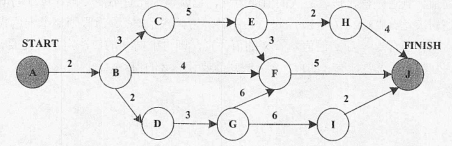
某软件项目的活动图如下图所示,其中顶点表示项目里程碑,连接顶点的边表示包含的活动,边上的数字表示相应活动的持续时间(天),则完成该项目的最少时间为(17)天。活动BC和BF最多可以晚开始(18)天而不会影响整个项目的进度。
综合知识
18/75
某软件项目的活动图如下图所示,其中顶点表示项目里程碑,连接顶点的边表示包含的活动,边上的数字表示相应活动的持续时间(天),则完成该项目的最少时间为(17)天。活动BC和BF最多可以晚开始(18)天而不会影响整个项目的进度。
综合知识
19/75
逻辑表达式求值时常采用短路计算方式。《&&》《||》《!》分别表示逻辑与、或、非运算,《&&》《||》为左结合,《!》为右结合,优先级从高到低为《!》《&&》《||》。对逻辑表达式《x&&(y||!z)》进行短路计算方式求值时,(19)。
综合知识
20/75
常用的函数参数传递方式有传值与传引用两种。(20)。
综合知识
21/75
假设段页式存储管理系统中的地址结构如下图所示,则系统(21)。

综合知识
22/75
假设系统中有n个进程共享3台扫描仪,并采用PV操作实现进程同步与互斥。若系统信号量S的当前值为-1,进程P1、P2又分别执行了1次P(S)操作,那么信号量S的值应为(22)。
综合知识
23/75
某字长为32位的计算机文件管理系统采用位示图(bitmap)记录磁盘的使用情况。若磁盘的容量为300GB,物理块的大小为1MB,那么位示图的大小为(23)个字。
综合知识
24/75
DSP(Digital Signal Processor)是一种特别适合于进行数字信号处理运算的微处理器,以下不属于DSP芯片特点叙述的是(24)。
综合知识
25/75
以下关于时序逻辑电路的叙述中,不正确的是(25)。
综合知识
26/75
某移位型计数器中移位寄存器触发器级数为n,则组成的环形计数器和扭环形计数器的进位模数依次为(26)。
综合知识
27/75
嵌入式处理器流水线技术中的结构冒险是指(27)。
综合知识
28/75
以下关于SD卡的叙述中,不正确的是(28)。
综合知识
29/75
某32位总线处理器的Cache直接映射方式如下图所示,若Cache大小为16KB,每个Cache块为16字节,则Offset,Index和Tag所占的位数分别是(29)。

综合知识
30/75
某8位D/A变换器的输出最大电压为5V,其分辨率指标是最低有效位输入时输出的变化程度,那么该D/A变换器的分辨率是(30)。
综合知识
31/75
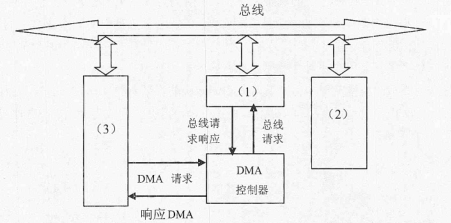
下图为典型DMA(直接存储器访问)的结构示意图,其中(1)、(2)和(3)分别是(31)。
综合知识
32/75
在利用FPGA/CPLD进行逻辑电路设计时,综合后的结果是(32)。
综合知识
33/75
在嵌入式系统硬件设计中,可以采用(33)方法减少信号的辐射。
综合知识
34/75
以下关于嵌入式软件开发的叙述中,适确的是(34)。
综合知识
35/75
冯•诺依曼计算机中指令和数据存放在存储器中,CPU区分它们的依据是(35)。
综合知识
36/75
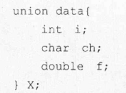
在某嵌入式系统中采用PowerPC处理器,若C语言代码中定义了如下的数据类型变量X,则X所占用的内存字节数是(36)。
综合知识
37/75
在可靠性要求较髙的嵌入式系统中,经常加入看门狗(Watch dog)电路。以下关于看门狗技术的叙述中,正确的是(37)。
综合知识
38/75
在程序的执行过程中,Cache与主存的地址映射是由(38)。
综合知识
39/75
会导致进程从执行态变为就绪态的事件是(39)。
综合知识
40/75
某幅图像具有1024×768个像素点,若每个像素具有8位的颜色深度,则可以表示(40)种不同的颜色,经4:1压缩后,其图像数据需占用(41)KBWe的存储空间。
综合知识
41/75
某幅图像具有1024×768个像素点,若每个像素具有8位的颜色深度,则可以表示(40)种不同的颜色,经4:1压缩后,其图像数据需占用(41)KBWe的存储空间。
综合知识
42/75
以下关于存储管理单元(MMU)的说法中,错误的是(42)。
综合知识
43/75
一次总线事务中,主设备只需给出一个首地址,从设备就能从首地址开始的若干连续单元格实现读取或者写入,这种总线事务方式是(43)。
综合知识
44/75
容错技术可以提高计算机系统的可靠性,利用元件冗余保证在局部故障情况下系统还可工作,其中带有热备份的系统称为双重系统,(44)是双重系统的特点。
综合知识
45/75
以下关于中断的叙述中,不正确的是(45)。
综合知识
46/75
以下关于嵌入式软件测试的叙述中,错误的是(46)。
综合知识
47/75
ARINC429总线是嵌入式系统中常用的一种面向接口型数据传输的总线,以下叙述中,错误的是(47)。
综合知识
48/75
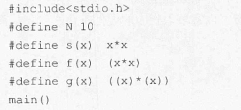
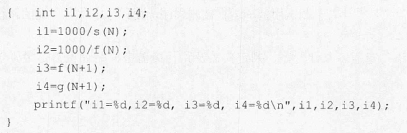
阅读下面的C语言程序,请给出正确的输出结果(48)。
综合知识
49/75
以下关于结构测试用例设计的叙述中,不正确的是(49)。
综合知识
50/75
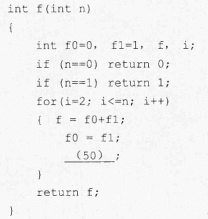
下面是用递推法计算菲波那(Fibonacci)级数第n项的函数,请填补空缺。
综合知识
51/75
以下关于Cache和主存叙述中,不正确的是(51)。
综合知识
52/75
以下关于特权指令的叙述中,错误的是(52)。
综合知识
53/75
以下与文件系统相关的叙述中,不正确的是(53)。
综合知识
54/75
在下列加密算法中,(54)属于非对称加密。
综合知识
55/75
从信息流的传送效率来看,(55)工作效率最低,从吞吐量来看,(56)最强。
综合知识
56/75
从信息流的传送效率来看,(55)工作效率最低,从吞吐量来看,(56)最强。
综合知识
57/75
基线是一组经过正式验证或确认,并作为后续工作开展依据的一个或一组工作产品,软件项目至少应形成功能基线、分配基线和产品基线三类基线。功能基线形成的时机是(57)。
综合知识
58/75
分配到必要的资源并获得处理机时的进程状态是(58)。
综合知识
59/75
某系统中有3个并发进程,都需要同类资源4个,试问该系统不会发生死锁的最少资源数是(59)。
综合知识
60/75
文件系统中,打开文件(open)操作的功能是(60)。
综合知识
61/75
一个C语言程序的执行是从(61)。
综合知识
62/75
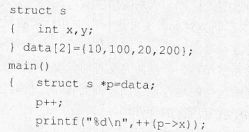
以下C语言程序的输出结果是(62)。

综合知识
63/75
在软件能力成熟度模型CMM(Capability Maturity Model)中,《同行评审》关键过程域属于(63)。
综合知识
64/75
软件需求分析阶段的测试手段一般采用(64)。
综合知识
65/75
能隔离局域网中广播风暴、提高带宽利用率的设备是(65)。
综合知识
66/75
以下协议中属于应用层协议的是(66),该协议的报文封装在(67)中传送。
综合知识
67/75
以下协议中属于应用层协议的是(66),该协议的报文封装在(67)中传送。
综合知识
68/75
某公司内部使用wb.xyz.com.cn作为访问某服务器的地址,其中wb是(68)。
综合知识
69/75
如果路由器收到了多个路由协议转发的、关于某个目标的多条路由,它如何决定采用哪个路由?(69)。
综合知识
70/75
下面是路由表的4个表项,与地址220.112.179.92匹配的表项是(70)。
综合知识
71/75
A real-time operating system. (RTOS) is an operating system intended to serve (71) application process data as it comes in, typically without buffering delays. A key (72) of a RTOS is the level of its consistency concerning the amount of time it takes to accept and complete an application抯 task; the variability is jitter. A hard real-time operating system has (73) jitter than a soft real-time operating system. The chief design goal is not high throughput, but rather a guarantee of a soft or hard performance category. A RTOS has an advanced algorithm for scheduling. (74) flexibility enables a wider, computer-system orchestration of process priorities, but a real-time OS is more frequently dedicated to a narrow set of applications. Key factors in a real-time OS are minimal (75) latency and minimal thread switching latency.
综合知识
72/75
A real-time operating system. (RTOS) is an operating system intended to serve (71) application process data as it comes in, typically without buffering delays. A key (72) of a RTOS is the level of its consistency concerning the amount of time it takes to accept and complete an application抯 task; the variability is jitter. A hard real-time operating system has (73) jitter than a soft real-time operating system. The chief design goal is not high throughput, but rather a guarantee of a soft or hard performance category. A RTOS has an advanced algorithm for scheduling. (74) flexibility enables a wider, computer-system orchestration of process priorities, but a real-time OS is more frequently dedicated to a narrow set of applications. Key factors in a real-time OS are minimal (75) latency and minimal thread switching latency.
综合知识
73/75
A real-time operating system. (RTOS) is an operating system intended to serve (71) application process data as it comes in, typically without buffering delays. A key (72) of a RTOS is the level of its consistency concerning the amount of time it takes to accept and complete an application抯 task; the variability is jitter. A hard real-time operating system has (73) jitter than a soft real-time operating system. The chief design goal is not high throughput, but rather a guarantee of a soft or hard performance category. A RTOS has an advanced algorithm for scheduling. (74) flexibility enables a wider, computer-system orchestration of process priorities, but a real-time OS is more frequently dedicated to a narrow set of applications. Key factors in a real-time OS are minimal (75) latency and minimal thread switching latency.
综合知识
74/75
A real-time operating system. (RTOS) is an operating system intended to serve (71) application process data as it comes in, typically without buffering delays. A key (72) of a RTOS is the level of its consistency concerning the amount of time it takes to accept and complete an application抯 task; the variability is jitter. A hard real-time operating system has (73) jitter than a soft real-time operating system. The chief design goal is not high throughput, but rather a guarantee of a soft or hard performance category. A RTOS has an advanced algorithm for scheduling. (74) flexibility enables a wider, computer-system orchestration of process priorities, but a real-time OS is more frequently dedicated to a narrow set of applications. Key factors in a real-time OS are minimal (75) latency and minimal thread switching latency.
综合知识
75/75
A real-time operating system. (RTOS) is an operating system intended to serve (71) application process data as it comes in, typically without buffering delays. A key (72) of a RTOS is the level of its consistency concerning the amount of time it takes to accept and complete an application抯 task; the variability is jitter. A hard real-time operating system has (73) jitter than a soft real-time operating system. The chief design goal is not high throughput, but rather a guarantee of a soft or hard performance category. A RTOS has an advanced algorithm for scheduling. (74) flexibility enables a wider, computer-system orchestration of process priorities, but a real-time OS is more frequently dedicated to a narrow set of applications. Key factors in a real-time OS are minimal (75) latency and minimal thread switching latency.